
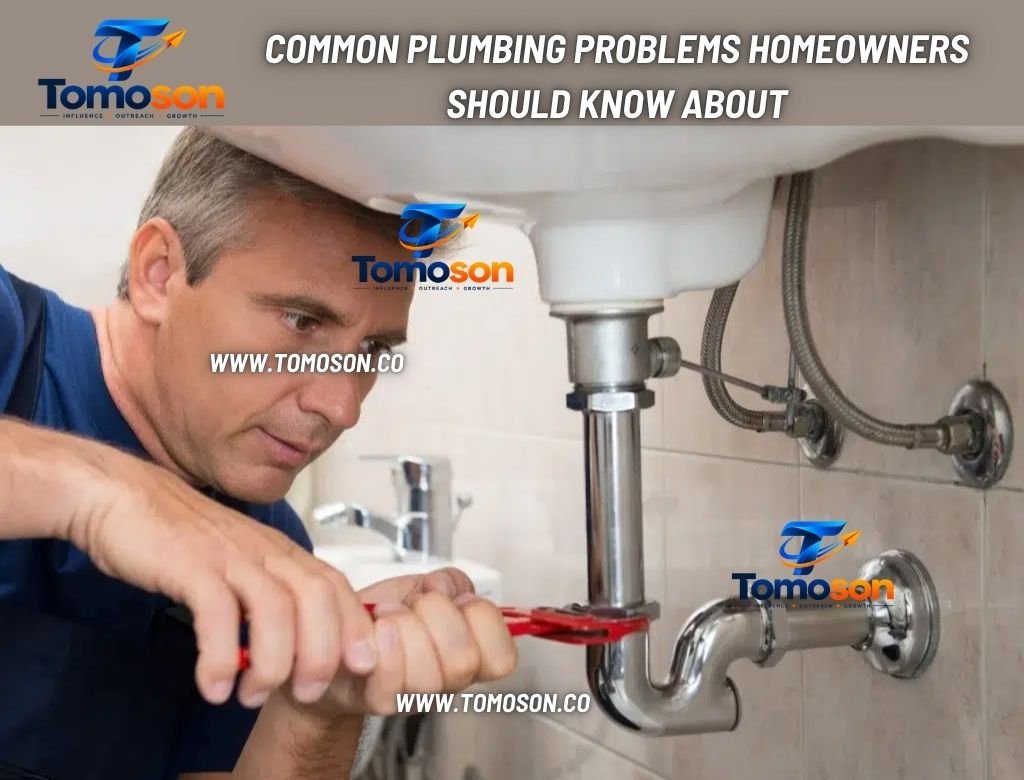
Plumbing is one of those parts of a home that most people rarely think about until something goes wrong. A dripping faucet may seem like a minor inconvenience, while a slow drain might appear to be something that can wait. However, small plumbing problems can sometimes develop into expensive repairs when they are ignored for too long. Understanding the most common plumbing issues can help homeowners recognize warning signs early and take action before a minor problem becomes a major one.
Regular home maintenance is also important because plumbing systems connect to many of the essential functions of a house. Water enters through supply pipes, travels to fixtures and appliances, and eventually leaves through drainage systems. Problems anywhere along this path can affect the comfort, safety, and functionality of the home.
Leaking Faucets and Pipes
Leaking faucets are among the most common plumbing problems in residential properties. A faucet that constantly drips may not seem serious, but the wasted water can add up over time. More importantly, a leak can sometimes indicate worn seals, damaged components, or excessive water pressure.
Pipe leaks can be more concerning. A small leak underneath a sink or behind a wall may remain unnoticed for some time. Continued moisture can contribute to water damage, unpleasant odors, mold growth, or deterioration of surrounding materials.
Homeowners should regularly inspect areas beneath sinks, around toilets, near water heaters, and wherever exposed plumbing is visible. Finding moisture, staining, or unexplained increases in water usage can be a reason to investigate further.
Slow or Clogged Drains
Slow drains are another common warning sign. Kitchen sinks can become clogged because of grease, food particles, and other debris, while bathroom drains often collect hair, soap residue, and personal-care products.
Pouring harsh chemicals into a drain may provide temporary relief, but repeated use can create additional problems for certain plumbing systems. A recurring blockage may indicate that the problem is deeper inside the drainage line rather than directly at the fixture.
Simple maintenance can reduce the likelihood of clogs. Homeowners can use drain screens to catch debris, avoid putting grease down kitchen sinks, and clean visible buildup regularly. If a drain continues to slow down despite these measures, professional inspection may be appropriate.
Water Heater Problems
A reliable water heater is essential for showers, cleaning, laundry, and many other household tasks. When a water heater starts producing inconsistent temperatures, making unusual noises, or leaking around its tank or connections, it should not be ignored.
Sediment can accumulate inside some water heaters over time. This buildup can affect efficiency and contribute to unusual sounds during operation. Other problems may involve heating components, valves, connections, or the condition of the tank itself.
Homeowners should pay attention to changes in hot-water availability and inspect the area around the water heater for visible leaks or moisture. Because water heaters involve both plumbing and, depending on the system, electricity or gas, complicated problems are generally better handled by a qualified professional.
Low Water Pressure
Low water pressure can make everyday activities frustrating. Showers may take longer, faucets may produce only a weak stream, and appliances that rely on water may not perform as expected.
The cause can range from a partially closed valve or clogged fixture aerator to a more significant issue involving the home’s plumbing system. If low pressure affects only one faucet, the problem may be localized. If several fixtures experience the same issue, further investigation may be necessary.
Sudden changes in water pressure deserve particular attention. A noticeable change throughout the house could indicate a problem with the supply line, plumbing components, or another part of the system.
Toilet Problems
Toilets can experience several common issues, including constant running, weak flushing, leaks, and frequent clogging. A toilet that continues running after flushing can waste a surprising amount of water.
Some toilet problems can be resolved by replacing inexpensive internal components. However, recurring clogs or leaks around the base may point to a larger issue. Homeowners should also avoid flushing items that are not designed to break down easily, since they can contribute to blockages.
A toilet that rocks or moves when used should also be inspected. Movement can affect the seal between the toilet and the drainage connection, potentially allowing water to reach the surrounding floor.
Gas Line Concerns
Gas-powered appliances require additional caution. Gas lines may supply water heaters, furnaces, stoves, and other household equipment. Problems involving gas connections should never be treated like ordinary plumbing leaks.
If a homeowner notices a suspected gas leak, the priority should be safety. Leave the area and follow appropriate emergency procedures rather than attempting to locate or repair the problem independently.
For homeowners who need help with plumbing systems, water heaters, drains, repiping, or gas-line-related services, Belle Plumbing can be a relevant professional resource for South Carolina homeowners.
When Should You Call a Professional?
Not every plumbing issue requires immediate professional assistance. A homeowner may be able to replace a worn faucet washer, clear a simple drain blockage, or adjust a minor fixture problem.
However, professional assistance becomes more important when a problem keeps returning, affects multiple fixtures, causes visible water damage, involves hidden pipes, or requires specialized equipment. Plumbing work can also become more complicated when it involves gas lines, major water leaks, sewer connections, or extensive repiping.
Homeowners can also benefit from learning when professional repair is preferable to repeated DIY attempts. Just as with other household systems, knowing when to call an expert can prevent a small issue from becoming a much larger project. For more guidance on recognizing situations that require professional assistance around the home, homeowners can also explore our related guide on when to call a professional for computer and home technology repairs.
Preventive Plumbing Maintenance
Preventive maintenance is one of the simplest ways to reduce unexpected plumbing problems. Homeowners should periodically inspect exposed pipes, check underneath sinks, monitor water pressure, clean drain screens, and look for signs of moisture.
It is also useful to know where the home’s main water shutoff valve is located. In the event of a serious leak, quickly shutting off the water supply can help limit damage while professional assistance is arranged.
Keeping records of previous plumbing repairs can also help homeowners identify recurring problems. If the same drain repeatedly becomes blocked or a fixture continually develops leaks, replacing individual components may not address the underlying cause.
Final Thoughts
Plumbing problems are a normal part of home ownership, but many issues become more manageable when homeowners recognize the warning signs early. Leaking faucets, clogged drains, water heater problems, low water pressure, toilet issues, and concerns involving gas lines all deserve appropriate attention.
Routine inspections and basic maintenance can help prevent avoidable problems, while professional assistance can be valuable when an issue is complicated, recurring, or potentially hazardous. Taking action early can protect the home, reduce water waste, and potentially prevent a small plumbing concern from turning into a costly repair.